Professional Roofer for High-Quality Roof Services
Retaining a experienced roofing specialist is a strategic decision for householders in search of dependable roof work. These experts not only guarantee compliance with local building codes but also provide access to premium-grade materials. Their ability to pinpoint and tackle conceivable problems in the early stages can save major expenses and duration. Understanding the various roofing options accessible and their benefits can better improve this endeavor. What factors should property owners consider when selecting the appropriate specialist for their needs?
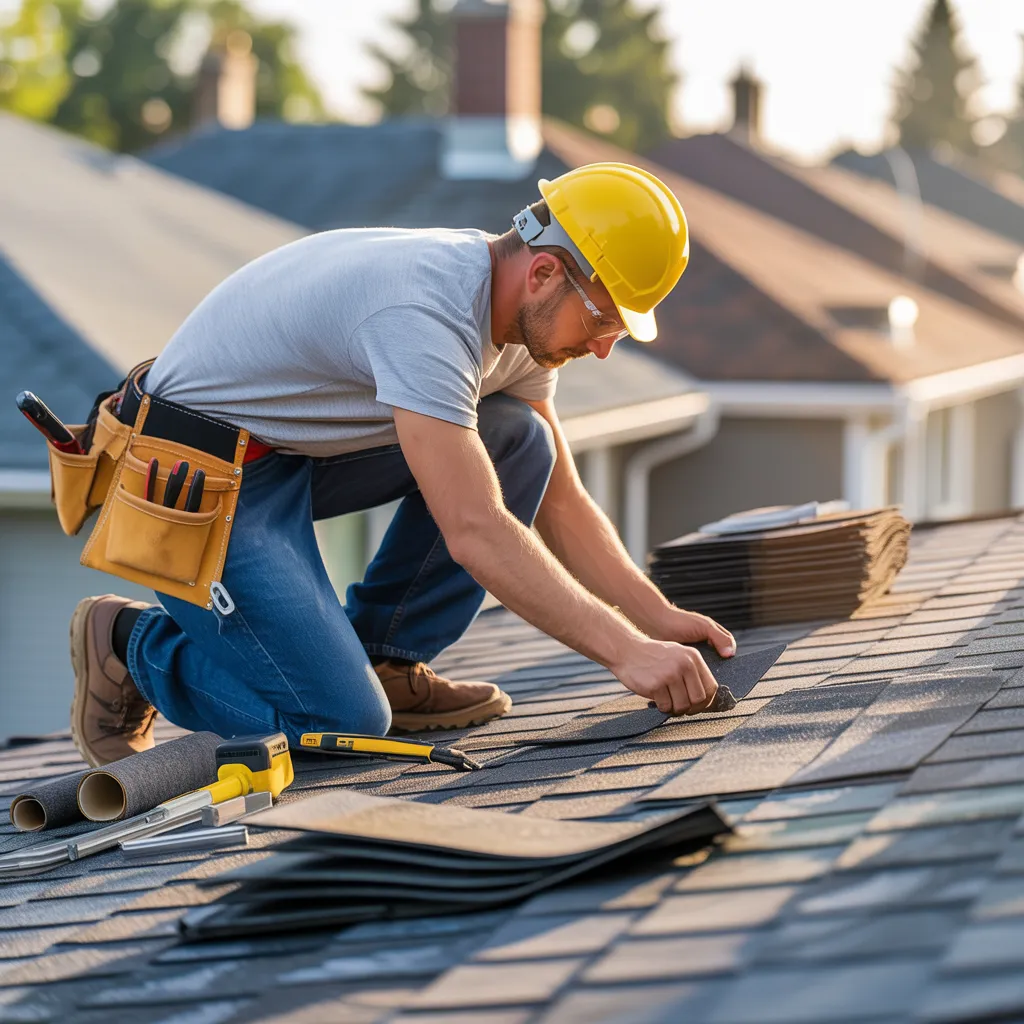
Why You Ought to Hire a Skilled Roofer
When evaluating a roofing project, hiring a professional roofer ensures both excellence and safety. Professional roofers possess the required training and expertise to handle different roofing challenges effectively. Their experience allows them to identify potential issues prior to they worsen, ensuring long-term durability. Furthermore, they are well-versed in local building codes and requirements, which reduces the risk of regulatory issues.
Also, expert roofers have the availability of high-quality materials that may not be available to the typical homeowner, enhancing the general performance of the roofing system. They also deliver warranties that can give assurance and confidence, safeguarding the financial stake made in the roof work. Importantly, protection is paramount; experienced roof technicians are equipped with the appropriate equipment and protective wear to perform their work without incurring damage. To conclude, retaining a skilled roof expert is a prudent choice for reaching a reliable and secure roofing solution.
A Comprehensive Handbook to Popular Roofing Materials and Their Advantages
Many roofing materials are accessible, each offering distinct advantages suited to diverse requirements and selections. Asphalt shingles are among the most favored due to their inexpensive nature, ease of installation, and selection of colors. Metal roofing, famous for its durability and tolerance of extreme weather, also reflects heat, making it cost-effective. Slate tiles deliver a timeless aesthetic and exceptional longevity, while clay tiles offer excellent insulation and can withstand harsh climates.
For those interested in sustainable options, rubber roofing is becoming more popular; it replicates the aesthetic of expensive materials and is made with recycled materials. Shake roofing give a authentic, charming aesthetic but require increased maintenance. In essence, man-made roof options unite the greatest aspects of time-tested options, ensuring adaptability and strength. Each choice brings different advantages, making it vital for residents to consider their priorities and work with professionals when picking the most suitable roofing solution.
Common Roofing Issues and How Experts Handle Them
Common roofing concerns, such as seepage and water-related harm, can create major foundation damage if not addressed promptly. Additionally, worn or broken shingles weaken the roof's durability and expose the home to increased dangers. Professionals use various techniques to pinpoint and address these problems, ensuring enduring safeguard and comfort for homeowners.
Seepage and Water Harm
Leaks and water damage present major difficulties for homeowners, often leading to expensive restoration and foundation issues. These issues typically arise from a variety of sources, including aging materials, improper installation, or even related resource extreme atmospheric events. Water seepage can damage insulation, encourage mold growth, and weaken structural integrity. Skilled roof specialists employ advanced techniques to locate and fix leaks effectively. They conduct thorough inspections to pinpoint weak spots, using tools such as moisture meters and infrared cameras. Once identified, they implement focused fixes, which may include sealing, flashing replacement, or, in severe cases, partial roof replacement. By addressing leaks promptly, professionals help homeowners reduce harm, ensuring sustained safeguarding and peace of mind.
Missing or Damaged Shingles
Roofing concerns often manifest through absent or worn shingles, which can compromise a home's defensive layer. These defects expose the underlying structure to environmental factors, possibly causing leaks and further deterioration. Professionals typically perform thorough inspections to determine the extent of the damage. They might suggest substituting single shingles or entire sections, based on the severity. Using premium-grade materials, experienced roofers guarantee correct setup to avoid subsequent problems. Additionally, they assess the roof's general state to tackle any foundational issues, such as poor ventilation or structural deficiencies. Routine upkeep and timely repairs are essential in preserving a roof's structural soundness, ultimately protecting the home from water penetration and other environmental hazards.
Determining the Top Roof Type for Your Home
When deciding on the ideal roofing choice for a home, it is essential to assess your specific roofing needs initially. Learning about the variety of roofing materials available and their respective costs can affect the decision-making process significantly. Budget considerations also are important in guaranteeing that the selected option meets both aesthetic and functional requirements.
Evaluating Your Roofing Requirements
How can one choose the most ideal roofing option for their home? To evaluate roofing needs, start by examining the home's architectural style and the local climate. Homeowners should consider factors such as energy efficiency, durability, and maintenance needs. A comprehensive inspection of the existing roof can expose potential problems that might determine the choice of materials. Moreover, monetary limits play a significant role; understanding the long-term costs compared to initial investment is vital. Consulting a qualified specialist can provide helpful advice and guidance tailored to unique needs. Ultimately, the decision must harmonize aesthetic preferences with operational demands, ensuring the chosen roofing solution increases the home’s value while providing extended safeguard.
Material Selections Guide
Selecting the appropriate roof options represents a essential element of the complete roof installation journey. Homeowners should assess different options, all featuring individual benefits and limitations. Asphalt shingles remain widely used due to their budget-friendly nature and simple setup, whereas metal roofing offers resilience and thermal performance. Clay and concrete tiles offer an sophisticated, enduring choice, particularly well-suited for warm climates. Wood shakes deliver a natural character yet necessitate additional attention. Synthetic options, including rubber or plastic, replicate classic designs while offering greater lifespan. Furthermore, green considerations may inspire certain homeowners to discover environmentally responsible choices such as green roofs or recycled content. In conclusion, determining the optimal roofing material is based on the home's aesthetic, climate conditions, and individual tastes.
Budget Factors Explained
Creating a budget for a roofing project usually demands close thought of numerous factors to guarantee homeowners select the most suitable option for their needs. To begin with, material selection affects both initial costs and the long-term durability of the roof. Asphalt shingles may be budget-friendly, but metal or tile alternatives might deliver improved lifespan at a greater expense. Additionally, labor costs can vary depending on the contractor’s expertise and the complexity of the task. Homeowners should also consider potential hidden expenses like structural repairs or permits. Finally, considering long-term savings via energy efficiency and warranties will aid in choosing wisely that balances upfront investment with future benefits.
What You Should Know About the Roofing Procedure
Grasping the roof installation process can significantly improve a homeowner's experience during a roofing project. At first, homeowners should anticipate a detailed inspection of the existing roof to determine its state and the required maintenance or upgrades. After the evaluation, a complete proposal will detail the scope of work, materials, and schedule.
When the project starts, homeowners can expect an organized arrangement with safety precautions in place to protect their property. The roofing crew will dispose of old materials, inspect the underlying structure, and fit new roofing systems according to industry standards. Regular communication is essential, as homeowners should expect regular updates on work progress and any unforeseen issues.
In the final stage, the project concludes with a thorough inspection to verify quality and adherence with specifications. Residents should additionally get maintenance advice to extend the life of their fresh roof, stressing the value of grasping the entire roofing process.
The Significance of Regular Roof Check-Ups
Although many property owners may overlook roof maintenance, regular check-ups are vital for preserving the integrity and durability of a roof. These inspections help identify minor issues before they develop into expensive maintenance. By detecting problems such as leaks, loose shingles, or moss growth early, homeowners can conserve both time and money.
Additionally, periodic check-ups verify that the roof complies with local building codes and regulations, which can avert future complications during property transactions. Seasonal changes can deteriorate roofing materials, making it vital to observe wear and tear.
Furthermore, a properly maintained roof elevates the overall aesthetic appeal of a home and increases its market value. Participating in routine inspections not only guarantees the structural soundness of the property but also supplies comfort for homeowners. Ultimately, focusing on roof check-ups is a proactive approach to home maintenance that generates returns in the long run.
Finding and Engaging a Professional Roofer in Your Area
By realizing the weight of regular roof check-ups, homeowners commonly engage capable technicians for maintenance and repairs. Selecting a qualified roofer in their area can feel difficult; however, a few fundamental tactics can make easier the process.
To start, homeowners should obtain referrals from acquaintances, relatives, or neighbors who have just finished roof repairs done. Online reviews and ratings on platforms like Google and Yelp can also supply helpful information into a roofer's reputation.
Once a collection of qualified prospects is created, property owners should validate qualifications, including licenses and insurance. Collecting numerous bids enables them to review costs and services rendered.
Furthermore, inquiring about coverage and assurances can help ensure durable outcomes. By adhering to these guidelines, homeowners can confidently hire a professional roofer who meets their particular requirements, ensuring their roofs stay in optimal shape for years to come.
Frequently Asked Questions
What Credentials Must I Find in a Experienced Roofer?
If you're locating a professional roofer, you should concentrate on attributes including correct licensure, comprehensive insurance, extensive experience, positive customer reviews, and observance of industry standards. These factors guarantee quality work and defense from potential liabilities.
How long Should You Expect for a Conventional Roofing Project Completion?
A typical roofing project usually takes 1-3 days, relying on the size and complexity of the roof, weather patterns, and the team's effectiveness. Bigger or more involved roofs may require additional time.
Are Roofing Guarantees Transferrable if I Sell My Home?
Roof warranties are commonly transferable, but various conditions apply. Homeowners should look at the warranty documents for details on transfer possibilities, as some manufacturers require notification and may have transfer deadlines for the transferring procedure.
What Will I Do if I Suspect Roof Impairment After a Storm?
If roof injury is suspected after a storm, the homeowner should inspect the roof for observable defects, document any damage, and consult a professional for an assessment to determine essential maintenance and hinder further difficulties.
How Do I Protect My Roof in Optimal State Between Expert Reviews?
Regularly inspect the roof for debris, identify deteriorated shingles, and maintain gutters to stop water buildup. Promptly tackle small issues and monitor signs of leaks or wear between professional inspections.